Buy promovat.eu ?
We are moving the project
promovat.eu .
Are you interested in purchasing the domain
promovat.eu ?
domain@kv-gmbh.de · 0541-91531010
Buy promovat.eu ?
Symbiosis or Parasitism?
Symbiosis refers to a mutually beneficial relationship between two different species, where both organisms benefit from the interaction. On the other hand, parasitism is a type of relationship where one organism benefits at the expense of the other, causing harm to the host organism. To determine whether a relationship is symbiotic or parasitic, it is important to consider the impact of the interaction on both species involved. **
Are synergy and symbiosis synonyms?
Synergy and symbiosis are not synonyms. Synergy refers to the interaction or cooperation of two or more elements to produce a combined effect greater than the sum of their separate effects. Symbiosis, on the other hand, is a mutually beneficial relationship between two different organisms. While both concepts involve interaction and cooperation, they differ in the nature of the relationship and the entities involved. **


Similar search terms for Symbiosis
Top-Angebote
Products related to Symbiosis:
-
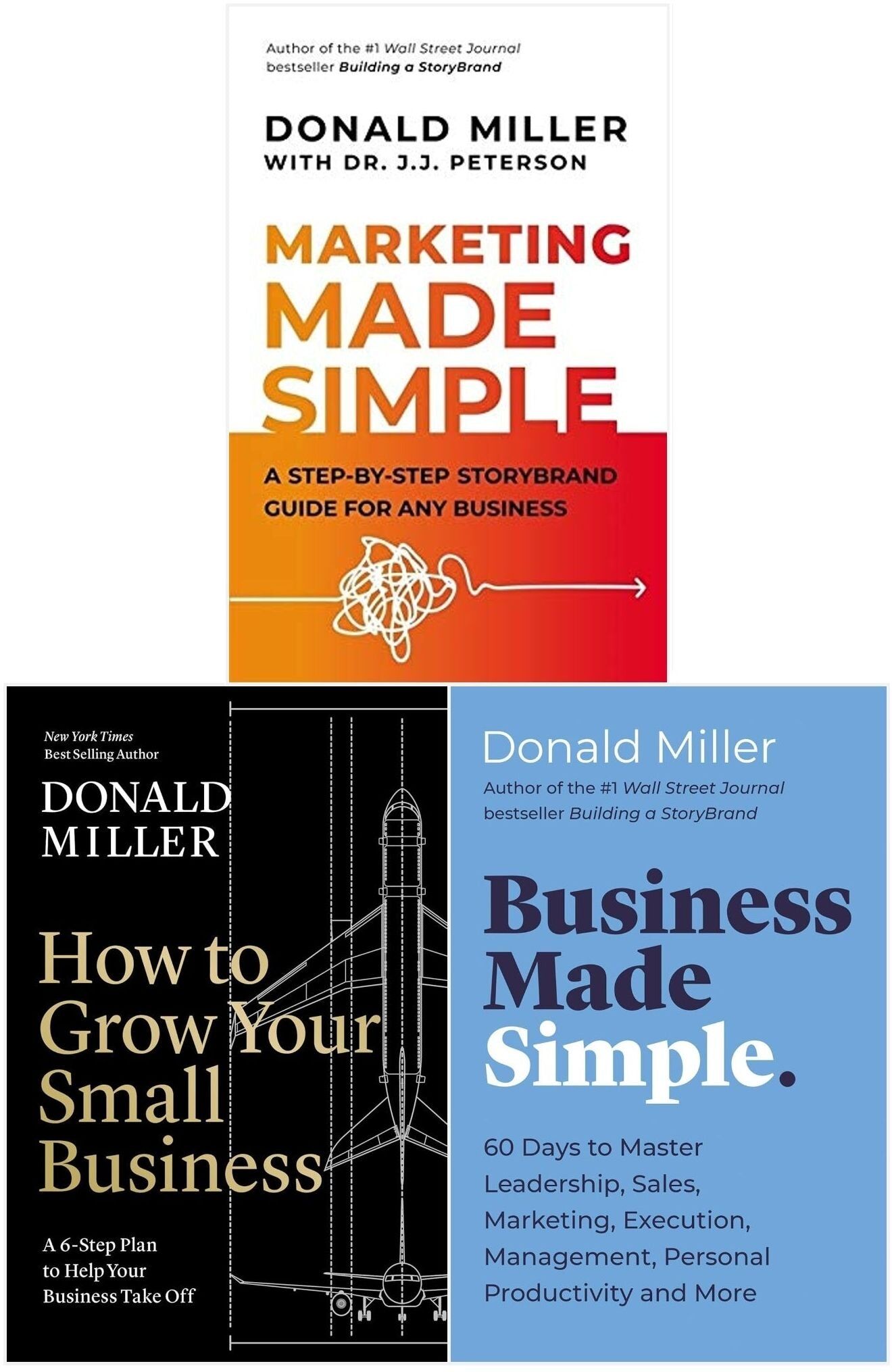
HARPERCOLLINS Donald Miller 3 Book Collection Set – Business Made Simple, Marketing Made Simple & How to Grow Your Small Business Entrepreneurship & Marketing GuiDonald Miller Collection 3 Books Set (How to Grow Your Small Business, Business Made Simple, Marketing Made Simple): How to Grow Your Small Business: Speak to the heart of your target audience and create a movement around your mission or campaign through this comprehensive, step-by-step approach to crafting messages that resonate. Donald Miller, author of the bestselling Building a StoryBrand, has helped thousands of individuals, corporations, and justice-oriented organizations turn vision into action using the organized, easy to implement communication framework outlined in these pages. Business Made Simple: Donald Miller knows that business is more than just a good idea made profitable it s a system of unspoken rules, rarely taught by MBA schools. If you are attempting to profitably grow your business or career, you need elite business knowledge knowledge that creates tangible value. Even if you had the time, access, or money to attend a Top 20 business school, you would still be missing the practical knowledge that propels the best and brightest forward. Marketing Made Simple: Donald Miller, is a must-have for any marketing professional or small business owner who wants grow their business.It will teach you how to create and implement a sales funnel that will increase traffic and drive sales. Every day, your company is losing sales simply because you do not have a clear path to attract new customers. You’re not alone. Based on proven principles from Building a StoryBrand , this 5-part checklist is the ultimate resource for marketing professionals and business owners as they cultivate a sales funnel that flows across key customer touchpoints to effectively develop, strengthen, and communicate their brand’s story to the marketplace.18,99 £*Shipping: 2,99 £Secure redirect to the provider
-
Inspired Finds 4.72in Mini 3D Hologram Fan USB Advertising Display Light 4.72in Mini 3D Hologram Fan USB Advertising Display LightTurn any counter, shelf, or event table into an attentiongrabbing display with this mini 3D hologram fan. Designed to create floatingstyle visuals with a compact spinning LED setup, it adds a futuristic look that feels far more exciting than an...93,99 $*Shipping: 0,00 $Secure redirect to the provider



-
What are examples of symbiosis?
Examples of symbiosis include mutualism, where both organisms benefit from the relationship, such as the relationship between bees and flowers. Another example is commensalism, where one organism benefits and the other is neither helped nor harmed, like the relationship between barnacles and whales. Parasitism is another form of symbiosis, where one organism benefits at the expense of the other, such as ticks feeding on the blood of mammals. **
-
What is a gfs symbiosis?
A gfs symbiosis is a mutually beneficial relationship between two or more organisms where one organism provides a necessary resource or service to the other in exchange for a different resource or service. This type of symbiosis is characterized by a close and long-term interaction between the organisms involved. The gfs symbiosis allows each organism to thrive and benefit from the partnership, ultimately leading to the success and survival of both parties. **
-
What is symbiosis in biology?
Symbiosis in biology refers to a close and long-term interaction between two different species. This interaction can be beneficial, harmful, or neutral for one or both of the species involved. There are three main types of symbiotic relationships: mutualism, where both species benefit; commensalism, where one species benefits and the other is unaffected; and parasitism, where one species benefits at the expense of the other. Symbiotic relationships are common in nature and can occur between a wide variety of organisms, including plants, animals, and microorganisms. **
-
How would you explain symbiosis?
Symbiosis is a biological relationship between two different species that live in close proximity to each other. This relationship can be beneficial, harmful, or neutral for one or both of the species involved. There are three main types of symbiotic relationships: mutualism, where both species benefit; commensalism, where one species benefits and the other is unaffected; and parasitism, where one species benefits at the expense of the other. Symbiosis is a fundamental concept in ecology and is essential for understanding the interconnectedness of different organisms in an ecosystem. **


What questions are there about symbiosis?
Some questions about symbiosis include: How do different species recognize and communicate with each other to establish a symbiotic relationship? What factors determine the success or failure of a symbiotic partnership? How do symbiotic relationships evolve over time, and what are the long-term effects on the species involved? Additionally, researchers may also explore the potential benefits and drawbacks of symbiosis in different ecosystems and how human activities impact symbiotic interactions. **
What are the consequences of symbiosis?
Symbiosis can have both positive and negative consequences. In mutualistic symbiosis, both organisms benefit from the relationship, such as in the case of pollination or the relationship between plants and mycorrhizal fungi. However, in parasitic symbiosis, one organism benefits at the expense of the other, leading to harm or even death of the host organism. Additionally, commensalistic symbiosis involves one organism benefiting while the other is unaffected. Overall, the consequences of symbiosis can range from mutualistic interactions that promote survival and reproduction to parasitic interactions that can be harmful or even deadly. **
Top-Angebote
Products related to Symbiosis:
-
No Marketing Systems Wood Corner Desk"The corner desk measures 42"" X 28"" X 30"" And Weighs 42 lbs. Arrives with only minimal Assembly required. Comfortably fitting in any home, studio, apartment, and office, The small corner writing desk maximizes space in compact rooms."269,99 $*Shipping: 0,00 $Secure redirect to the provider
-
HARPERCOLLINS Donald Miller 3 Book Collection Set – Business Made Simple, Marketing Made Simple & How to Grow Your Small Business Entrepreneurship & Marketing GuiDonald Miller Collection 3 Books Set (How to Grow Your Small Business, Business Made Simple, Marketing Made Simple): How to Grow Your Small Business: Speak to the heart of your target audience and create a movement around your mission or campaign through this comprehensive, step-by-step approach to crafting messages that resonate. Donald Miller, author of the bestselling Building a StoryBrand, has helped thousands of individuals, corporations, and justice-oriented organizations turn vision into action using the organized, easy to implement communication framework outlined in these pages. Business Made Simple: Donald Miller knows that business is more than just a good idea made profitable it s a system of unspoken rules, rarely taught by MBA schools. If you are attempting to profitably grow your business or career, you need elite business knowledge knowledge that creates tangible value. Even if you had the time, access, or money to attend a Top 20 business school, you would still be missing the practical knowledge that propels the best and brightest forward. Marketing Made Simple: Donald Miller, is a must-have for any marketing professional or small business owner who wants grow their business.It will teach you how to create and implement a sales funnel that will increase traffic and drive sales. Every day, your company is losing sales simply because you do not have a clear path to attract new customers. You’re not alone. Based on proven principles from Building a StoryBrand , this 5-part checklist is the ultimate resource for marketing professionals and business owners as they cultivate a sales funnel that flows across key customer touchpoints to effectively develop, strengthen, and communicate their brand’s story to the marketplace.18,99 £*Shipping: 2,99 £Secure redirect to the provider
-
Symbiosis or Parasitism?
Symbiosis refers to a mutually beneficial relationship between two different species, where both organisms benefit from the interaction. On the other hand, parasitism is a type of relationship where one organism benefits at the expense of the other, causing harm to the host organism. To determine whether a relationship is symbiotic or parasitic, it is important to consider the impact of the interaction on both species involved. **
-
Are synergy and symbiosis synonyms?
Synergy and symbiosis are not synonyms. Synergy refers to the interaction or cooperation of two or more elements to produce a combined effect greater than the sum of their separate effects. Symbiosis, on the other hand, is a mutually beneficial relationship between two different organisms. While both concepts involve interaction and cooperation, they differ in the nature of the relationship and the entities involved. **
-
What are examples of symbiosis?
Examples of symbiosis include mutualism, where both organisms benefit from the relationship, such as the relationship between bees and flowers. Another example is commensalism, where one organism benefits and the other is neither helped nor harmed, like the relationship between barnacles and whales. Parasitism is another form of symbiosis, where one organism benefits at the expense of the other, such as ticks feeding on the blood of mammals. **
-
What is a gfs symbiosis?
A gfs symbiosis is a mutually beneficial relationship between two or more organisms where one organism provides a necessary resource or service to the other in exchange for a different resource or service. This type of symbiosis is characterized by a close and long-term interaction between the organisms involved. The gfs symbiosis allows each organism to thrive and benefit from the partnership, ultimately leading to the success and survival of both parties. **
Similar search terms for Symbiosis
-
Inspired Finds 4.72in Mini 3D Hologram Fan USB Advertising Display Light 4.72in Mini 3D Hologram Fan USB Advertising Display LightTurn any counter, shelf, or event table into an attentiongrabbing display with this mini 3D hologram fan. Designed to create floatingstyle visuals with a compact spinning LED setup, it adds a futuristic look that feels far more exciting than an...93,99 $*Shipping: 0,00 $Secure redirect to the provider
-
Drop Dash Deals Waterproof Double Sided LED Advertising Light Box Illuminated Sign Board Waterproof Double Sided LED Advertising Light Box Illuminated Sign BoardStep into a brighter way to show off your brand with this premium 1 pc of LED advertising light box that instantly elevates visibility day and night. Designed for business owners, shopkeepers, and event promoters who want their message seen, its...229,97 $*Shipping: 0,00 $Secure redirect to the provider
-
What is symbiosis in biology?
Symbiosis in biology refers to a close and long-term interaction between two different species. This interaction can be beneficial, harmful, or neutral for one or both of the species involved. There are three main types of symbiotic relationships: mutualism, where both species benefit; commensalism, where one species benefits and the other is unaffected; and parasitism, where one species benefits at the expense of the other. Symbiotic relationships are common in nature and can occur between a wide variety of organisms, including plants, animals, and microorganisms. **
-
How would you explain symbiosis?
Symbiosis is a biological relationship between two different species that live in close proximity to each other. This relationship can be beneficial, harmful, or neutral for one or both of the species involved. There are three main types of symbiotic relationships: mutualism, where both species benefit; commensalism, where one species benefits and the other is unaffected; and parasitism, where one species benefits at the expense of the other. Symbiosis is a fundamental concept in ecology and is essential for understanding the interconnectedness of different organisms in an ecosystem. **
-
What questions are there about symbiosis?
Some questions about symbiosis include: How do different species recognize and communicate with each other to establish a symbiotic relationship? What factors determine the success or failure of a symbiotic partnership? How do symbiotic relationships evolve over time, and what are the long-term effects on the species involved? Additionally, researchers may also explore the potential benefits and drawbacks of symbiosis in different ecosystems and how human activities impact symbiotic interactions. **
-
What are the consequences of symbiosis?
Symbiosis can have both positive and negative consequences. In mutualistic symbiosis, both organisms benefit from the relationship, such as in the case of pollination or the relationship between plants and mycorrhizal fungi. However, in parasitic symbiosis, one organism benefits at the expense of the other, leading to harm or even death of the host organism. Additionally, commensalistic symbiosis involves one organism benefiting while the other is unaffected. Overall, the consequences of symbiosis can range from mutualistic interactions that promote survival and reproduction to parasitic interactions that can be harmful or even deadly. **
* All prices are inclusive of VAT and, if applicable, plus shipping costs. The offer information is based on the details provided by the respective shop and is updated through automated processes. Real-time updates do not occur, so deviations can occur in individual cases. ** Note: Parts of this content were created by AI.