Buy promovat.eu ?
We are moving the project
promovat.eu .
Are you interested in purchasing the domain
promovat.eu ?
domain@kv-gmbh.de · 0541-91531010
Buy promovat.eu ?
What is sustainability?
Sustainability is the ability to meet the needs of the present without compromising the ability of future generations to meet their own needs. It involves finding a balance between social, economic, and environmental factors to ensure that resources are used in a way that preserves them for the long term. This can include practices such as reducing waste, conserving natural resources, and promoting renewable energy sources. Overall, sustainability aims to create a world where people and the planet can thrive together for generations to come. **
What distinguishes strong sustainability from the normal concept of sustainability?
Strong sustainability goes beyond the traditional concept of sustainability by emphasizing the importance of maintaining the integrity of natural systems and the well-being of future generations. It recognizes that certain natural resources and ecological processes are irreplaceable and cannot be substituted by human-made alternatives. Strong sustainability also prioritizes the protection of biodiversity and the resilience of ecosystems, rather than solely focusing on reducing environmental impacts or achieving short-term economic gains. In essence, strong sustainability requires a more holistic and long-term approach to environmental and social stewardship, placing a greater emphasis on intergenerational equity and the preservation of essential ecological functions. **

Similar search terms for Sustainability
Top-Angebote
Products related to Sustainability:
-
Inspired Finds 4.72in Mini 3D Hologram Fan USB Advertising Display Light 4.72in Mini 3D Hologram Fan USB Advertising Display LightTurn any counter, shelf, or event table into an attentiongrabbing display with this mini 3D hologram fan. Designed to create floatingstyle visuals with a compact spinning LED setup, it adds a futuristic look that feels far more exciting than an...93,99 $*Shipping: 0,00 $Secure redirect to the provider
-
Drop Dash Deals Waterproof Double Sided LED Advertising Light Box Illuminated Sign Board Waterproof Double Sided LED Advertising Light Box Illuminated Sign BoardStep into a brighter way to show off your brand with this premium 1 pc of LED advertising light box that instantly elevates visibility day and night. Designed for business owners, shopkeepers, and event promoters who want their message seen, its...229,97 $*Shipping: 0,00 $Secure redirect to the provider




-
What are sustainability strategies?
Sustainability strategies are plans and actions implemented by organizations to minimize their negative impact on the environment, society, and economy, while maximizing their positive contributions. These strategies often involve setting goals for reducing carbon emissions, waste, and resource consumption, as well as promoting social responsibility and ethical business practices. Sustainability strategies can also include efforts to engage with stakeholders, such as employees, customers, and local communities, to ensure that their needs and concerns are taken into account. Overall, sustainability strategies aim to create long-term value for both the organization and the broader ecosystem in which it operates. **
-
What is economic sustainability?
Economic sustainability refers to the ability of an economy to support current and future generations by balancing economic growth with social and environmental responsibility. It involves ensuring that resources are used efficiently and equitably to meet the needs of the present without compromising the ability of future generations to meet their own needs. This includes promoting long-term economic development, reducing inequality, and minimizing negative impacts on the environment. Overall, economic sustainability aims to create a stable and resilient economy that can thrive over the long term. **
-
How can sustainability be assessed?
Sustainability can be assessed through various methods such as conducting life cycle assessments, measuring environmental impacts, evaluating social and economic factors, and analyzing the overall resilience of a system. Key indicators such as carbon footprint, water usage, biodiversity impact, social equity, and economic viability can be used to evaluate the sustainability of a product, project, or organization. By using a combination of quantitative data, qualitative analysis, and stakeholder engagement, a comprehensive assessment of sustainability can be achieved. Regular monitoring and reporting of these indicators over time can help track progress towards sustainability goals and identify areas for improvement. **
-
What about sustainability in banks?
Sustainability in banks refers to their commitment to environmental, social, and governance (ESG) principles in their operations and decision-making processes. Banks can promote sustainability by incorporating ESG criteria into their lending and investment practices, supporting green initiatives, and reducing their own carbon footprint. By integrating sustainability into their business models, banks can contribute to a more sustainable and responsible financial system that addresses key global challenges such as climate change and social inequality. Additionally, banks that prioritize sustainability may also benefit from improved risk management, enhanced reputation, and increased customer loyalty. **


What does political sustainability mean?
Political sustainability refers to the ability of a political system or government to maintain stability and continuity over time. It involves ensuring that policies and decisions are made with the long-term well-being of society in mind, rather than focusing solely on short-term gains. Political sustainability also involves fostering trust and cooperation among different political actors, as well as promoting transparency and accountability in governance to ensure the system's resilience and effectiveness. **
What is the sustainability triangle?
The sustainability triangle is a concept that illustrates the interconnected relationship between social, environmental, and economic factors in achieving sustainability. It emphasizes that for a system or activity to be truly sustainable, it must balance and integrate these three dimensions effectively. By considering the social, environmental, and economic impacts of our actions, we can work towards creating a more sustainable future for both current and future generations. **
Top-Angebote
Products related to Sustainability:
-
No Marketing Systems Wood Corner Desk"The corner desk measures 42"" X 28"" X 30"" And Weighs 42 lbs. Arrives with only minimal Assembly required. Comfortably fitting in any home, studio, apartment, and office, The small corner writing desk maximizes space in compact rooms."269,99 $*Shipping: 0,00 $Secure redirect to the provider
-
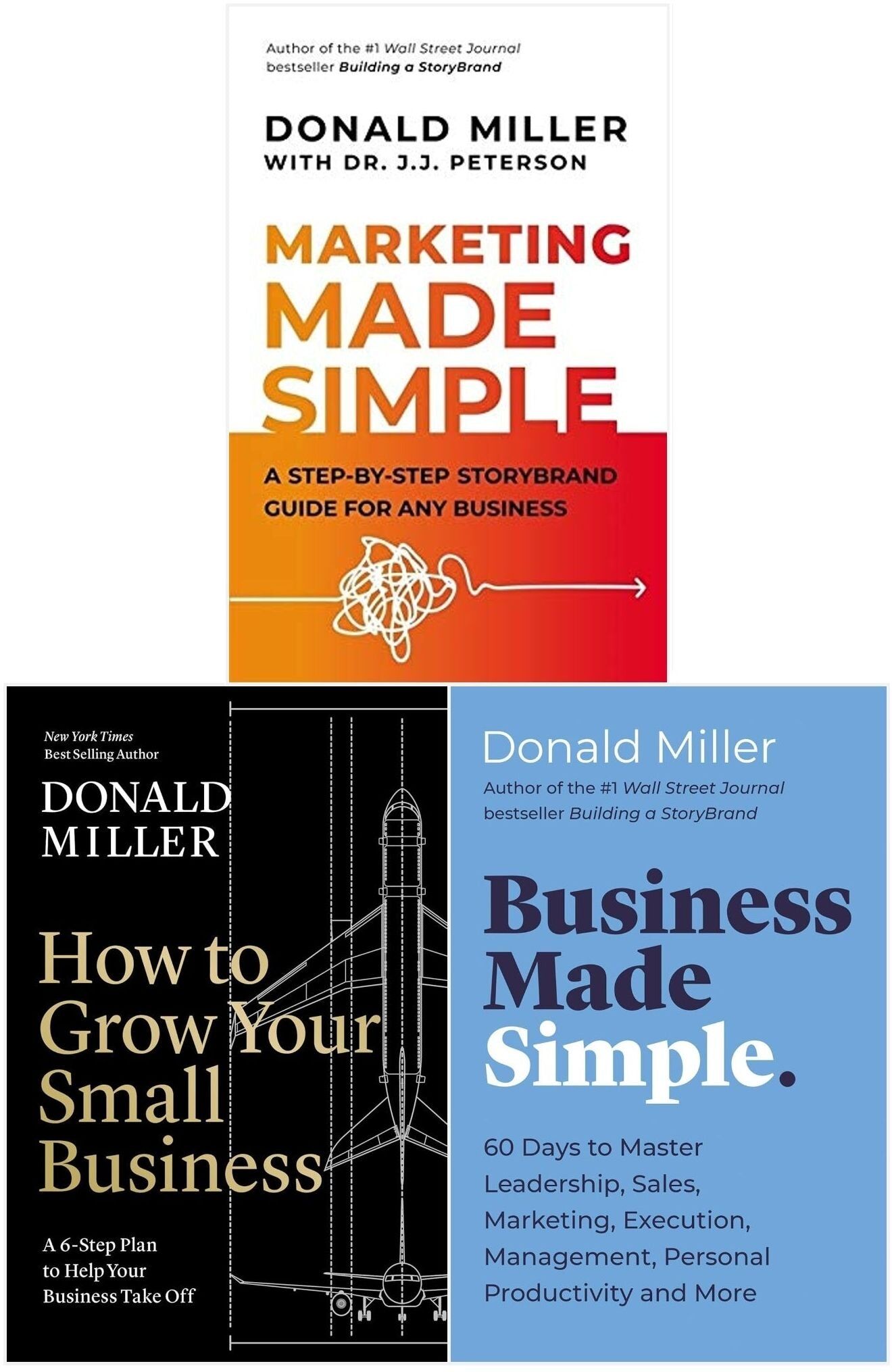
HARPERCOLLINS Donald Miller 3 Book Collection Set – Business Made Simple, Marketing Made Simple & How to Grow Your Small Business Entrepreneurship & Marketing GuiDonald Miller Collection 3 Books Set (How to Grow Your Small Business, Business Made Simple, Marketing Made Simple): How to Grow Your Small Business: Speak to the heart of your target audience and create a movement around your mission or campaign through this comprehensive, step-by-step approach to crafting messages that resonate. Donald Miller, author of the bestselling Building a StoryBrand, has helped thousands of individuals, corporations, and justice-oriented organizations turn vision into action using the organized, easy to implement communication framework outlined in these pages. Business Made Simple: Donald Miller knows that business is more than just a good idea made profitable it s a system of unspoken rules, rarely taught by MBA schools. If you are attempting to profitably grow your business or career, you need elite business knowledge knowledge that creates tangible value. Even if you had the time, access, or money to attend a Top 20 business school, you would still be missing the practical knowledge that propels the best and brightest forward. Marketing Made Simple: Donald Miller, is a must-have for any marketing professional or small business owner who wants grow their business.It will teach you how to create and implement a sales funnel that will increase traffic and drive sales. Every day, your company is losing sales simply because you do not have a clear path to attract new customers. You’re not alone. Based on proven principles from Building a StoryBrand , this 5-part checklist is the ultimate resource for marketing professionals and business owners as they cultivate a sales funnel that flows across key customer touchpoints to effectively develop, strengthen, and communicate their brand’s story to the marketplace.18,99 £*Shipping: 2,99 £Secure redirect to the provider
-
Inspired Finds 4.72in Mini 3D Hologram Fan USB Advertising Display Light 4.72in Mini 3D Hologram Fan USB Advertising Display LightTurn any counter, shelf, or event table into an attentiongrabbing display with this mini 3D hologram fan. Designed to create floatingstyle visuals with a compact spinning LED setup, it adds a futuristic look that feels far more exciting than an...93,99 $*Shipping: 0,00 $Secure redirect to the provider
-
What is sustainability?
Sustainability is the ability to meet the needs of the present without compromising the ability of future generations to meet their own needs. It involves finding a balance between social, economic, and environmental factors to ensure that resources are used in a way that preserves them for the long term. This can include practices such as reducing waste, conserving natural resources, and promoting renewable energy sources. Overall, sustainability aims to create a world where people and the planet can thrive together for generations to come. **
-
What distinguishes strong sustainability from the normal concept of sustainability?
Strong sustainability goes beyond the traditional concept of sustainability by emphasizing the importance of maintaining the integrity of natural systems and the well-being of future generations. It recognizes that certain natural resources and ecological processes are irreplaceable and cannot be substituted by human-made alternatives. Strong sustainability also prioritizes the protection of biodiversity and the resilience of ecosystems, rather than solely focusing on reducing environmental impacts or achieving short-term economic gains. In essence, strong sustainability requires a more holistic and long-term approach to environmental and social stewardship, placing a greater emphasis on intergenerational equity and the preservation of essential ecological functions. **
-
What are sustainability strategies?
Sustainability strategies are plans and actions implemented by organizations to minimize their negative impact on the environment, society, and economy, while maximizing their positive contributions. These strategies often involve setting goals for reducing carbon emissions, waste, and resource consumption, as well as promoting social responsibility and ethical business practices. Sustainability strategies can also include efforts to engage with stakeholders, such as employees, customers, and local communities, to ensure that their needs and concerns are taken into account. Overall, sustainability strategies aim to create long-term value for both the organization and the broader ecosystem in which it operates. **
-
What is economic sustainability?
Economic sustainability refers to the ability of an economy to support current and future generations by balancing economic growth with social and environmental responsibility. It involves ensuring that resources are used efficiently and equitably to meet the needs of the present without compromising the ability of future generations to meet their own needs. This includes promoting long-term economic development, reducing inequality, and minimizing negative impacts on the environment. Overall, economic sustainability aims to create a stable and resilient economy that can thrive over the long term. **
Similar search terms for Sustainability
-
Drop Dash Deals Waterproof Double Sided LED Advertising Light Box Illuminated Sign Board Waterproof Double Sided LED Advertising Light Box Illuminated Sign BoardStep into a brighter way to show off your brand with this premium 1 pc of LED advertising light box that instantly elevates visibility day and night. Designed for business owners, shopkeepers, and event promoters who want their message seen, its...229,97 $*Shipping: 0,00 $Secure redirect to the provider
-
Linon May Blue and Gold Campaign DeskWork in style on the May Blue and Gold Campaign Desk. The spacious top has a rich blue finish accented by the X styled matte gold legs. Small round gold knobs grace the front of the large storage drawer.268,20 $*Shipping: 0,00 $Secure redirect to the provider
-
How can sustainability be assessed?
Sustainability can be assessed through various methods such as conducting life cycle assessments, measuring environmental impacts, evaluating social and economic factors, and analyzing the overall resilience of a system. Key indicators such as carbon footprint, water usage, biodiversity impact, social equity, and economic viability can be used to evaluate the sustainability of a product, project, or organization. By using a combination of quantitative data, qualitative analysis, and stakeholder engagement, a comprehensive assessment of sustainability can be achieved. Regular monitoring and reporting of these indicators over time can help track progress towards sustainability goals and identify areas for improvement. **
-
What about sustainability in banks?
Sustainability in banks refers to their commitment to environmental, social, and governance (ESG) principles in their operations and decision-making processes. Banks can promote sustainability by incorporating ESG criteria into their lending and investment practices, supporting green initiatives, and reducing their own carbon footprint. By integrating sustainability into their business models, banks can contribute to a more sustainable and responsible financial system that addresses key global challenges such as climate change and social inequality. Additionally, banks that prioritize sustainability may also benefit from improved risk management, enhanced reputation, and increased customer loyalty. **
-
What does political sustainability mean?
Political sustainability refers to the ability of a political system or government to maintain stability and continuity over time. It involves ensuring that policies and decisions are made with the long-term well-being of society in mind, rather than focusing solely on short-term gains. Political sustainability also involves fostering trust and cooperation among different political actors, as well as promoting transparency and accountability in governance to ensure the system's resilience and effectiveness. **
-
What is the sustainability triangle?
The sustainability triangle is a concept that illustrates the interconnected relationship between social, environmental, and economic factors in achieving sustainability. It emphasizes that for a system or activity to be truly sustainable, it must balance and integrate these three dimensions effectively. By considering the social, environmental, and economic impacts of our actions, we can work towards creating a more sustainable future for both current and future generations. **
* All prices are inclusive of VAT and, if applicable, plus shipping costs. The offer information is based on the details provided by the respective shop and is updated through automated processes. Real-time updates do not occur, so deviations can occur in individual cases. ** Note: Parts of this content were created by AI.