Buy promovat.eu ?
We are moving the project
promovat.eu .
Are you interested in purchasing the domain
promovat.eu ?
domain@kv-gmbh.de · 0541-91531010
Buy promovat.eu ?
What is cellular respiration?
Cellular respiration is the process by which cells break down glucose and other organic molecules to produce energy in the form of ATP (adenosine triphosphate). This process occurs in the mitochondria of cells and involves a series of biochemical reactions that ultimately convert the energy stored in glucose into a usable form for the cell. Cellular respiration is essential for the survival of all living organisms as it provides the energy needed for various cellular activities and functions. **
How does skin respiration work?
Skin respiration, also known as cutaneous respiration, is the process by which oxygen is absorbed and carbon dioxide is released through the skin. This process occurs in many animals, especially those with thin or moist skin, such as amphibians and some invertebrates. In skin respiration, gases diffuse across the skin's surface due to differences in partial pressures between the external environment and the internal tissues. Oxygen from the surrounding air or water diffuses into the skin and then into the bloodstream, where it can be transported to cells for cellular respiration. Carbon dioxide, a waste product of cellular respiration, diffuses out of the bloodstream and is released through the skin into the environment. Skin respiration is particularly important for animals that have a low metabolic rate or live in environments with low oxygen levels, as it provides an additional route for gas exchange. However, it is less efficient than respiratory systems such as lungs or gills, so it is typically used in conjunction with other forms of respiration. **

Similar search terms for Respiration
Top-Angebote
Products related to Respiration:
-
Linon May Blue and Gold Campaign DeskWork in style on the May Blue and Gold Campaign Desk. The spacious top has a rich blue finish accented by the X styled matte gold legs. Small round gold knobs grace the front of the large storage drawer.268,20 $*Shipping: 0,00 $Secure redirect to the provider
-
Harper Campaign Bar - Brushed Gray - Ballard DesignsCampaign furniture as has been around since the Romans and reached its pinnacle during the British Empire. Our Harper Campaign Furniture Bar Cabinet captures that refined spirit in elegant detail. Cabinet doors are trimmed in antique gold and open...1189,30 $*Shipping: 259,00 $Secure redirect to the provider
-
Drop Dash Deals Waterproof Double Sided LED Advertising Light Box Illuminated Sign Board Waterproof Double Sided LED Advertising Light Box Illuminated Sign BoardStep into a brighter way to show off your brand with this premium 1 pc of LED advertising light box that instantly elevates visibility day and night. Designed for business owners, shopkeepers, and event promoters who want their message seen, its...229,97 $*Shipping: 0,00 $Secure redirect to the provider




-
Do mushrooms undergo cellular respiration?
Yes, mushrooms do undergo cellular respiration. Just like other living organisms, mushrooms require energy to carry out their metabolic processes, and cellular respiration is the process by which they generate this energy. During cellular respiration, mushrooms break down organic molecules to produce ATP, the energy currency of the cell, which is used to fuel their growth, reproduction, and other biological functions. **
-
What is glycolytic cellular respiration?
Glycolytic cellular respiration is the process by which cells break down glucose to produce energy in the form of adenosine triphosphate (ATP). This process occurs in the cytoplasm of the cell and involves a series of enzymatic reactions that convert glucose into pyruvate. Glycolysis is the first stage of cellular respiration and is anaerobic, meaning it does not require oxygen. The ATP produced during glycolysis can be used by the cell for various energy-requiring processes. **
-
When does cellular respiration occur?
Cellular respiration occurs in the cells of living organisms constantly, as it is the process by which cells break down glucose and other organic molecules to produce energy in the form of ATP. This process is essential for the survival of cells and the organism as a whole, providing the energy needed for various cellular activities. Cellular respiration occurs in the presence of oxygen (aerobic respiration) or in the absence of oxygen (anaerobic respiration), depending on the availability of oxygen in the environment. **
-
What is compartmentalization in cellular respiration?
Compartmentalization in cellular respiration refers to the organization of different metabolic processes into specific compartments within the cell. In eukaryotic cells, cellular respiration occurs in different organelles such as the cytoplasm, mitochondria, and chloroplasts. Each organelle plays a specific role in the overall process of cellular respiration, with different compartments carrying out different steps of the metabolic pathway. This compartmentalization allows for efficient coordination of the various reactions involved in cellular respiration and helps to optimize energy production within the cell. **


How can cellular respiration be demonstrated?
Cellular respiration can be demonstrated through a simple experiment using a sprouting seed, such as a bean or pea. By placing the seed in a sealed container with a small amount of water and observing the production of carbon dioxide bubbles, one can see evidence of cellular respiration. Another way to demonstrate cellular respiration is by measuring the consumption of oxygen and production of carbon dioxide by using a respirometer apparatus with a small organism like a cricket or germinating seeds. This experiment shows the exchange of gases that occurs during cellular respiration. **
Can you briefly explain cellular respiration?
Cellular respiration is the process by which cells break down glucose and other organic molecules to produce energy in the form of ATP. This process occurs in the mitochondria of cells and involves three main stages: glycolysis, the citric acid cycle, and the electron transport chain. During cellular respiration, glucose is oxidized to produce carbon dioxide, water, and ATP, which is the main energy currency of the cell. **
Top-Angebote
Products related to Respiration:
-
No Marketing Systems Wood Corner Desk"The corner desk measures 42"" X 28"" X 30"" And Weighs 42 lbs. Arrives with only minimal Assembly required. Comfortably fitting in any home, studio, apartment, and office, The small corner writing desk maximizes space in compact rooms."269,99 $*Shipping: 0,00 $Secure redirect to the provider
-
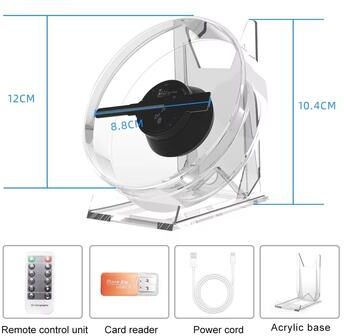
Inspired Finds 4.72in Mini 3D Hologram Fan USB Advertising Display Light 4.72in Mini 3D Hologram Fan USB Advertising Display LightTurn any counter, shelf, or event table into an attentiongrabbing display with this mini 3D hologram fan. Designed to create floatingstyle visuals with a compact spinning LED setup, it adds a futuristic look that feels far more exciting than an...93,99 $*Shipping: 0,00 $Secure redirect to the provider
-
Linon May Blue and Gold Campaign DeskWork in style on the May Blue and Gold Campaign Desk. The spacious top has a rich blue finish accented by the X styled matte gold legs. Small round gold knobs grace the front of the large storage drawer.268,20 $*Shipping: 0,00 $Secure redirect to the provider
-
What is cellular respiration?
Cellular respiration is the process by which cells break down glucose and other organic molecules to produce energy in the form of ATP (adenosine triphosphate). This process occurs in the mitochondria of cells and involves a series of biochemical reactions that ultimately convert the energy stored in glucose into a usable form for the cell. Cellular respiration is essential for the survival of all living organisms as it provides the energy needed for various cellular activities and functions. **
-
How does skin respiration work?
Skin respiration, also known as cutaneous respiration, is the process by which oxygen is absorbed and carbon dioxide is released through the skin. This process occurs in many animals, especially those with thin or moist skin, such as amphibians and some invertebrates. In skin respiration, gases diffuse across the skin's surface due to differences in partial pressures between the external environment and the internal tissues. Oxygen from the surrounding air or water diffuses into the skin and then into the bloodstream, where it can be transported to cells for cellular respiration. Carbon dioxide, a waste product of cellular respiration, diffuses out of the bloodstream and is released through the skin into the environment. Skin respiration is particularly important for animals that have a low metabolic rate or live in environments with low oxygen levels, as it provides an additional route for gas exchange. However, it is less efficient than respiratory systems such as lungs or gills, so it is typically used in conjunction with other forms of respiration. **
-
Do mushrooms undergo cellular respiration?
Yes, mushrooms do undergo cellular respiration. Just like other living organisms, mushrooms require energy to carry out their metabolic processes, and cellular respiration is the process by which they generate this energy. During cellular respiration, mushrooms break down organic molecules to produce ATP, the energy currency of the cell, which is used to fuel their growth, reproduction, and other biological functions. **
-
What is glycolytic cellular respiration?
Glycolytic cellular respiration is the process by which cells break down glucose to produce energy in the form of adenosine triphosphate (ATP). This process occurs in the cytoplasm of the cell and involves a series of enzymatic reactions that convert glucose into pyruvate. Glycolysis is the first stage of cellular respiration and is anaerobic, meaning it does not require oxygen. The ATP produced during glycolysis can be used by the cell for various energy-requiring processes. **
Similar search terms for Respiration
-
Harper Campaign Bar - Brushed Gray - Ballard DesignsCampaign furniture as has been around since the Romans and reached its pinnacle during the British Empire. Our Harper Campaign Furniture Bar Cabinet captures that refined spirit in elegant detail. Cabinet doors are trimmed in antique gold and open...1189,30 $*Shipping: 259,00 $Secure redirect to the provider
-
Drop Dash Deals Waterproof Double Sided LED Advertising Light Box Illuminated Sign Board Waterproof Double Sided LED Advertising Light Box Illuminated Sign BoardStep into a brighter way to show off your brand with this premium 1 pc of LED advertising light box that instantly elevates visibility day and night. Designed for business owners, shopkeepers, and event promoters who want their message seen, its...229,97 $*Shipping: 0,00 $Secure redirect to the provider
-
iNSPIRE Q Junior Kedric Gold Accent Campaign DresserCombine classic and contemporary style with the Kedric dresser from iNSPIRE Q. Constructed from poplar wood and MDF, this spacious dresser features spacious, smooth-gliding drawers, accented with gold-finished metal hardware.601,98 $*Shipping: 0,00 $Secure redirect to the provider
-
Costway 7 FT Inflatable Tube Man with Blower for Outdoor Business Promotion Store-BlackInject instant excitement into any event with this7 ft/215 cm attractive inflatable tube man featuring an iconic, energetic dance, with flowing hair, a cheerful smile, and waving arms, that captivates attention and lifts spirits.89,99 $*Shipping: 0,00 $Secure redirect to the provider
-
When does cellular respiration occur?
Cellular respiration occurs in the cells of living organisms constantly, as it is the process by which cells break down glucose and other organic molecules to produce energy in the form of ATP. This process is essential for the survival of cells and the organism as a whole, providing the energy needed for various cellular activities. Cellular respiration occurs in the presence of oxygen (aerobic respiration) or in the absence of oxygen (anaerobic respiration), depending on the availability of oxygen in the environment. **
-
What is compartmentalization in cellular respiration?
Compartmentalization in cellular respiration refers to the organization of different metabolic processes into specific compartments within the cell. In eukaryotic cells, cellular respiration occurs in different organelles such as the cytoplasm, mitochondria, and chloroplasts. Each organelle plays a specific role in the overall process of cellular respiration, with different compartments carrying out different steps of the metabolic pathway. This compartmentalization allows for efficient coordination of the various reactions involved in cellular respiration and helps to optimize energy production within the cell. **
-
How can cellular respiration be demonstrated?
Cellular respiration can be demonstrated through a simple experiment using a sprouting seed, such as a bean or pea. By placing the seed in a sealed container with a small amount of water and observing the production of carbon dioxide bubbles, one can see evidence of cellular respiration. Another way to demonstrate cellular respiration is by measuring the consumption of oxygen and production of carbon dioxide by using a respirometer apparatus with a small organism like a cricket or germinating seeds. This experiment shows the exchange of gases that occurs during cellular respiration. **
-
Can you briefly explain cellular respiration?
Cellular respiration is the process by which cells break down glucose and other organic molecules to produce energy in the form of ATP. This process occurs in the mitochondria of cells and involves three main stages: glycolysis, the citric acid cycle, and the electron transport chain. During cellular respiration, glucose is oxidized to produce carbon dioxide, water, and ATP, which is the main energy currency of the cell. **
* All prices are inclusive of VAT and, if applicable, plus shipping costs. The offer information is based on the details provided by the respective shop and is updated through automated processes. Real-time updates do not occur, so deviations can occur in individual cases. ** Note: Parts of this content were created by AI.